

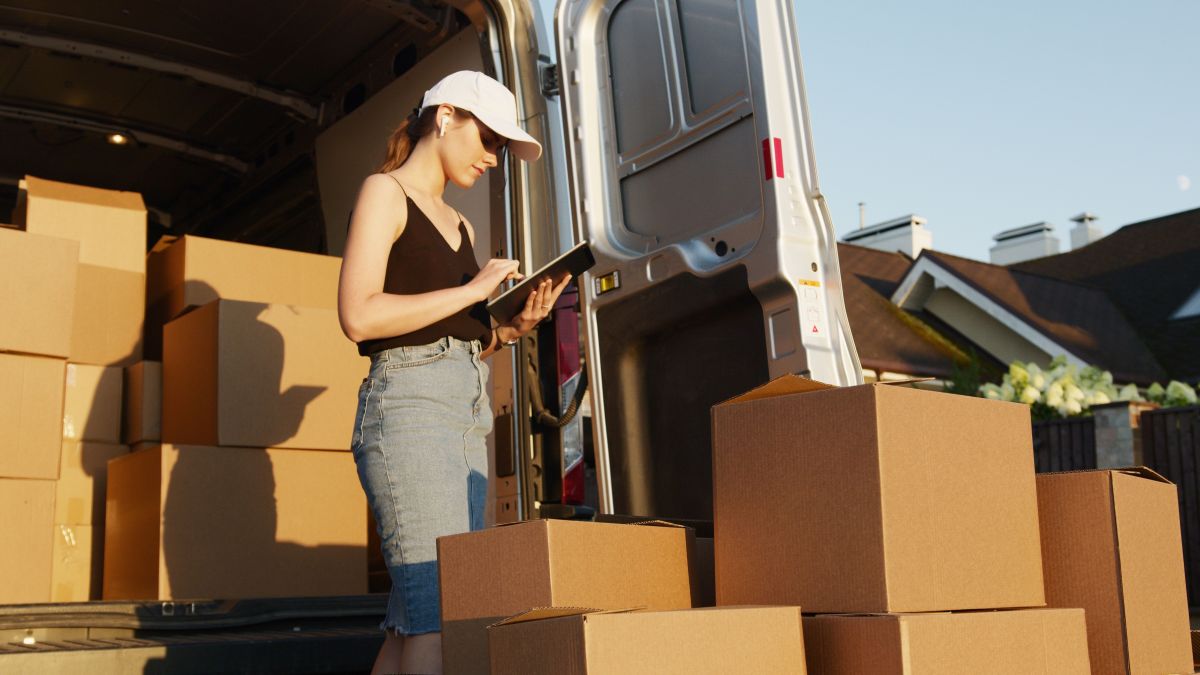
Running a last-mile delivery operation has always been a game of razor-thin margins, but today the pressure is higher than ever. As package volumes surge and delivery windows shrink, operators can no longer afford to treat the last mile like an afterthought. Relying on paper spreadsheets, manual route sequencing, or drivers trying to "figure it out on the road" is a guaranteed way to bleed cash through overtime and wasted fuel.
The most profitable logistics companies succeeding today aren't simply grinding their teams harder. Instead, they are fixing the foundational blind spots in their technology stack.
Here are the seven core practices separating highly efficient, scalable delivery businesses from the operations still firefighting every single morning.
1. Stop Treating Apartments Like Single Addresses
A building address gets your driver to the curb. It does not get them to unit 4B, the correct breezeway, or a gate code that changed last week. On apartment-heavy delivery routes, this data gap is where stops per hour (SPH) collapse and where labor budgets bleed into costly overtime.
The fix is leveraging better location intelligence. Beans integrates directly with your daily manifest data, providing doorstep-level mapping down to building entrances, parking zones, elevators, and gate access. It turns an ambiguous package address into precise directions. Contractors and operators using this micro-location intelligence see apartment-route efficiency skyrocket. Crucially, it shrinks driver onboarding down to 3 to 5 minutes. Because the layout is clearly mapped, a rookie driver can run a dense multi-family route as efficiently as a seasoned veteran on day one, completely bypassing weeks of field training.
2. Let the Software Do the Sequencing
Every fleet has a "route guy", the veteran driver who has run the same neighborhood for years and somehow always finishes first. That tribal knowledge is highly effective, but it is also a dangerous, single point of failure for your business. Furthermore, constantly shifting route boundaries are actively erasing the value of memorized shortcuts.
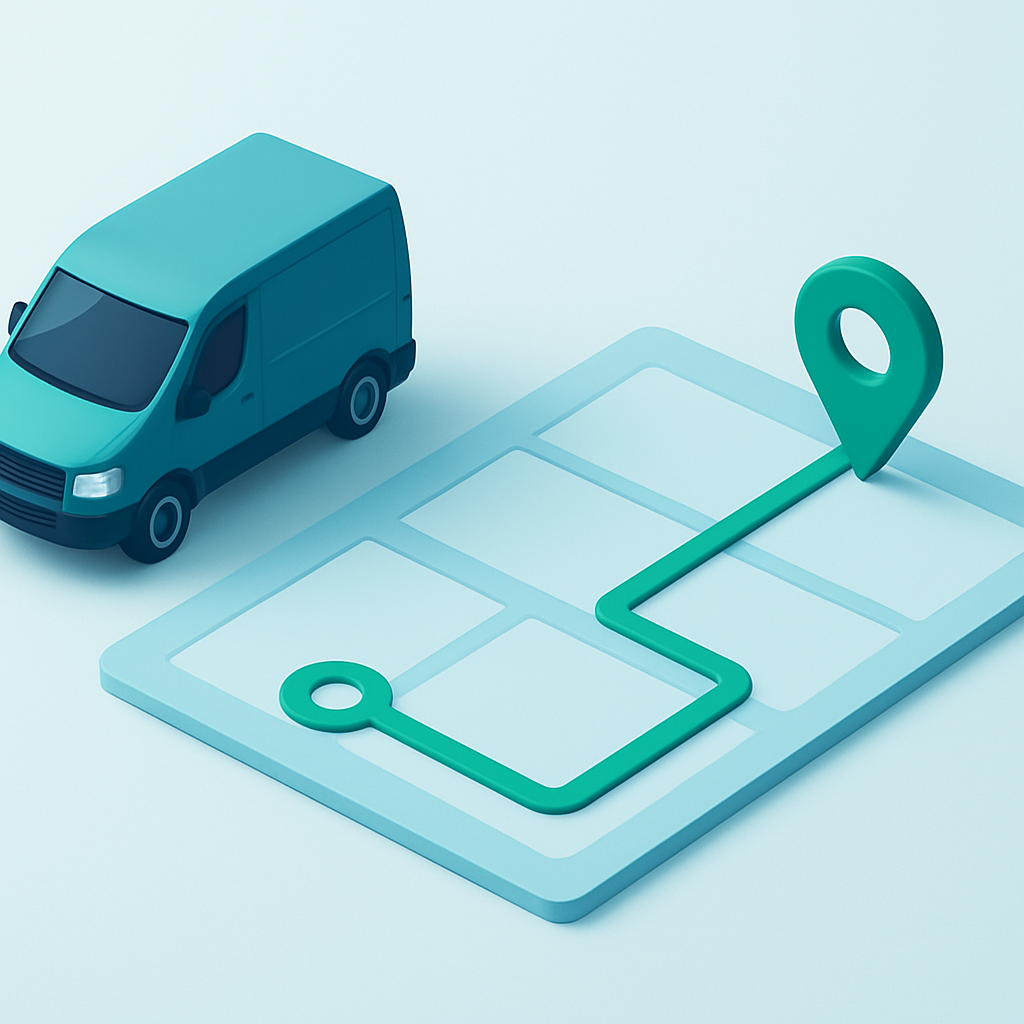
AI-driven route optimization provided by Beans automatically processes your daily delivery data. The engine factors in real-time traffic, strict delivery windows, and exact vehicle capacity across thousands of stops in minutes, a process that used to take a veteran years to master intuitively. The result is fewer daily miles, minimal fuel waste, and optimized sequences that hold up perfectly even when your regular driver calls out sick.
3. Build Automated Timekeeping into the Workflow
Fleet owners still reconstructing driver hours from paper logs or a patchwork of standalone messaging apps leave themselves exposed to severe labor audit penalties. Worse, they are blind to mounting overtime hours until the weekly pay period closes.
Beans solves this by embedding automated timekeeping and scheduling directly into the driver's daily mobile application. With geofenced in-app clock-in/clock-out capabilities, automated timesheets, and 7-day auto-scheduling, labor compliance shifts from a weekly back-office headache into a hands-off background process. Eliminating manual spreadsheets helps your business maintain a measurably leaner labor budget.
4. Treat Safety and Compliance as a Daily Dashboard
Safety and compliance metrics are tied directly to your business reputation, contract standing, and financial incentives. The old, reactive model fails under the weight of a rigorous audit or a sudden drop in safety scores.
A centralized compliance dashboard tracks driver training status, alerts management to upcoming safety renewals, and pulls real-time safety metrics into clear view. This allows you to address a safety coaching opportunity on a quiet Tuesday morning before it turns into a severe contract infraction or a costly operational failure.
5. Give Dispatch Real-Time Visibility
Modern final-mile logistics demand operational transparency that a once-a-day check-in cannot deliver. If the first sign of a bottleneck on a high-volume route is a missed delivery window flag late in the evening, your only option is an expensive, emergency rescue route.
Live driver tracking, stop-level progress tracking, and automated alerts for inactive trucks give your dispatchers the power to catch issues early. Real-time visibility allows your team to reassign a stop, send help to a delayed driver, or adjust logistics before a delay compounds into a missed delivery window that impacts your operational rating.
6. Convert Tribal Route Knowledge into Secure Company IP
Every delivery dispute over a missing package that was actually dropped off correctly costs your operation time, money, and customer goodwill. Similarly, every gate code, delivery preference, or property shortcut that lives only in one driver's head disappears the moment that employee resigns.
GPS-verified, time-stamped Proof of Delivery (POD) closes customer disputes before they start. By anchoring critical delivery intelligence, like gate codes, parking notes, and specific drop zones, directly to the unique address profile within the app, that knowledge becomes a permanent asset of your corporation. Any new driver assigned to that territory instantly inherits years of local experience, converting vulnerable tribal knowledge into durable company IP.
7. Run Performance Analytics to Protect Margins
A single vehicle breakdown or driver delay on a dense delivery route doesn't just cost one stop; it cascades into a rescue route, a missed commercial window, and an immediate hit to your service levels. A driver quietly running 30% slower than the rest of your fleet is a hidden financial leak that compounds over weeks into a major profit drain.
Driver-level analytics transform vague assumptions into objective, actionable data. Tracking exact metrics like stops per hour (SPH) and specific delay trends allows operators to manage their business via real data instead of gut feelings, an absolute necessity when your margin for error has grown this thin.
Final Thoughts
Implementing these seven rules doesn't require a patchwork of messy, disconnected software. Beans replaces the chaos with an end-to-end transport management system built for high-density operations. By combining automated dispatching, exact front-door micro-mapping, and unified labor compliance, Beans handles the administrative heavy lifting in the background. The result? Your dispatchers stay organized, your rookie drivers perform like seasoned veterans from day one, and your net profit margins remain tightly protected.
Ready to streamline your dispatching and boost your business profitability? Book a demo today.
Join the conversation
Share your thoughts on this article. Your email will not be published.
Add a Comment