
Operating as a Contracted Service Provider (CSP) or Independent Service Provider (ISP) for FedEx Ground has always been a solid path to business ownership. However, entering 2026, the profitability rules have fundamentally shifted.
FedEx’s massive Network 2.0 structural consolidation, which unifies legacy Ground and Express networks into a singular local pickup and delivery (PUD) framework, is moving at full speed. This means ISPs have access to denser routes and higher premium package volumes. At the same time, it means flawless execution under strict margin-over-volume guidelines.
If your logistics corporation wants to push its margins past the industry standard, you cannot rely on old habits. Increasing profitability in 2026 comes down to mastering your technology stack, controlling labor, and building operational resilience.
1. Eliminate "Empty Miles" with Advanced Route Planning
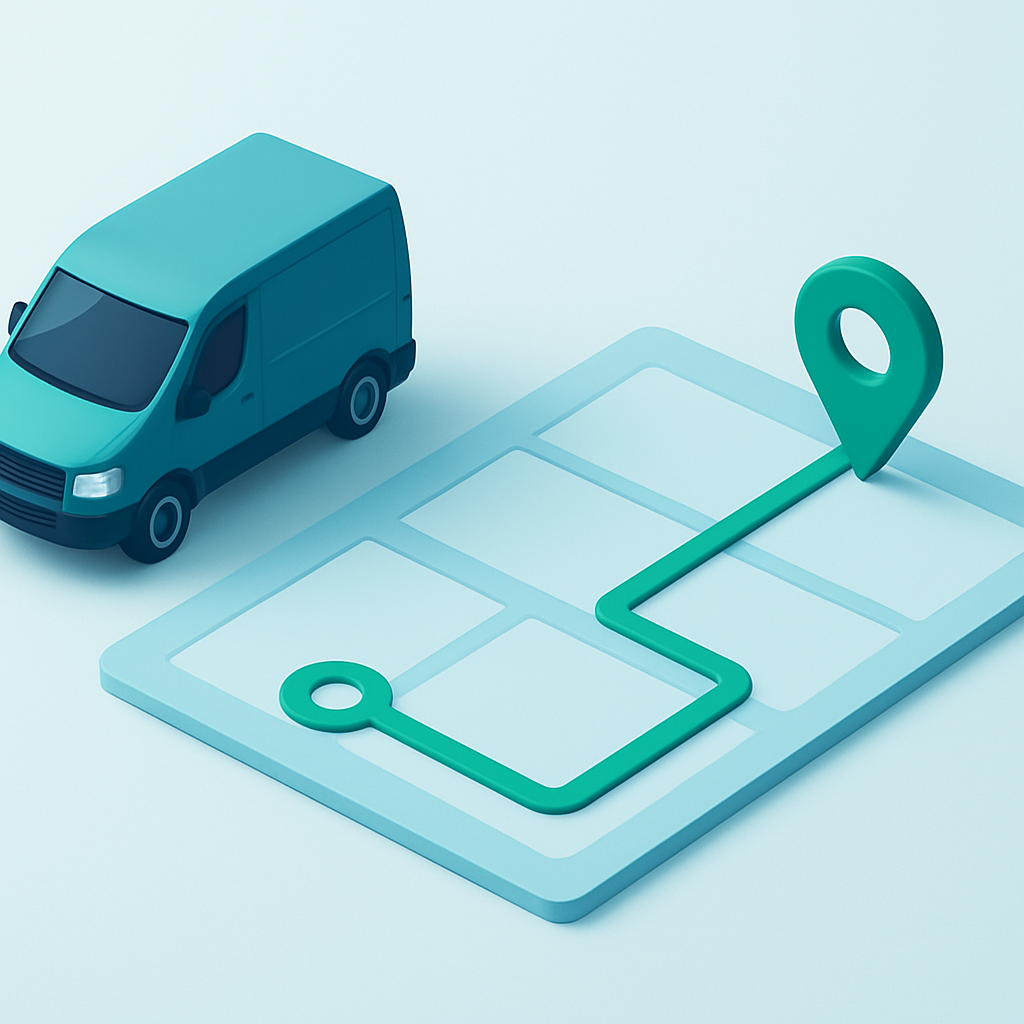
Fuel expenses and vehicle wear-and-tear represent massive, volatile lines on your profit and loss statement. To truly control your fuel costs, you must eliminate "empty miles" mileage driven with empty or backtracking trucks. Under Network 2.0, where Express and Ground packages are blended into a single manifest, route sequencing has become too complex for manual guesswork.
Effective route planning requires dynamic, highly optimized route blueprints that adjust to daily volume spikes and seasonal trends. Using an AI-driven dispatch and routing management system automates this heavy lifting. By calculating the most mathematically direct path and implementing fuel-efficient dispatching, contractors can significantly reduce total daily miles driven.
2. Streamline Multi-Family Delivery to Cut Overtime Costs
Labor is your business’s largest overhead expense. When your drivers are stuck out on the road racking up costly overtime and double-overtime hours, your profit margins plummet. To manage these labor costs, you must find ways to increase productivity without burning out your staff.
The primary culprit for delivery delays isn't highway traffic; it's last-mile micro-logistics. A major portion of today's premium e-commerce and Express traffic consists of deliveries to high-density apartment complexes, multi-tier corporate parks, and massive gated communities. Standard navigation tools drop a generic pin at the entrance, leaving your driver to wander blindly looking for the correct building, locker, or third-floor doorstep.
An AI-powered route planning software like Beans solves this bottleneck with proprietary micro-mapping location intelligence that guides drivers to the actual delivery spot, unit, or locker location. Because the application maps complex apartment layouts so clearly, contractors can onboard and train temporary or new hires in just 3 to 5 minutes. A rookie driver can run a dense, high-volume route as efficiently as a seasoned veteran on day one. Saving just a few minutes per stop lets you optimize staffing levels, comfortably add more stops to your existing routes, and scale back costly overtime. You can then use these saved margins to fund performance-based incentives for your top-producing drivers.
3. Build a Proactive Driver Pipeline
One of the most underrated strategies for protecting your profit margin is building a continuous driver pipeline. By maintaining a pool of qualified candidates who are already vetted and interested in your corporation, you gain massive advantages:
Slashed Recruitment Costs: Eliminate the need for constant, expensive job board advertisements and emergency screening.
Zero Operational Disruptions: Quickly fill vacancies before a route goes unstaffed, protecting your daily service metrics and avoiding FedEx service failure penalties.
Early Loyalty: Developing relationships with potential drivers early on creates a sense of commitment, which translates to a higher retention rate once they officially climb into the driver's seat.
4. Invest in an All-In-One Operations Stack
To run a highly profitable logistics company, technology cannot just be a navigation tool; it must serve as your primary business management resource. Investing in an end-to-end operations management system allows you to automate daily administrative tasks and keep a constant check on your team's real-time efficiency.
Furthermore, a modern TMS like Beans acts as a secure vault for your company’s institutional knowledge. By allowing drivers to save and log custom gate codes, notes about loose dogs, and precise parking drop zones right inside the app, you convert local route knowledge into valuable corporate Intellectual Property (IP). If a driver decides to quit, their years of accumulated route wisdom don't walk out the door with them, the data stays embedded in your system for the next driver to use immediately.
A truly robust delivery platform acts as your critical system of record, unifying several vital operations into a single pane of glass:
Operations & Manifest Integration: Sync seamlessly with FedEx data to automate preventative maintenance logs, reduce fuel waste, and monitor vehicle health.
In-App Safety & Timekeeping: Protect your operations from costly liability claims with built-in safety parameters, integrated team chats, and automated payroll syncs that perfectly match driver hours to routes.
Geofencing & Precision Mapping: Ensure drivers hit their designated drop-off zones accurately, eliminating costly package re-delivery attempts.
Build a Tech-Forward Logistics Business
In 2026, the most profitable FedEx Ground contractors are those who transition from traditional trucking mindsets to tech-first executive operations. By pairing FedEx’s powerful brand with data-driven last-mile management, you can easily control operational leaks and scale your revenue.
Beans Route replaces the patchwork of generic software with a single, comprehensive operations platform built specifically for FedEx Ground ISPs. By syncing seamlessly with your FedEx manifest data, Beans Route provides AI-driven route optimization, precise front-door and apartment micro-mapping, automated driver timekeeping, and seamless payroll processing. It’s a modern, end-to-end TMS that adapts to your specific daily service areas, ensuring your dispatchers work efficiently, your drivers maximize stops per hour, and your profit margins remain protected.
Ready to streamline your dispatching and boost your business profitability? Book a demo today.

Join the conversation
Share your thoughts on this article. Your email will not be published.
Add a Comment