


Every on-time delivery, every technician walking in with the right tool, and every emergency response isn't a stroke of luck. Behind the scenes, there is a system making hundreds or thousands of decisions every single day. That system is dispatch management, the invisible engine of the modern world.
At its simplest, dispatch management is the systematic process of assigning, coordinating, and tracking field resources like drivers, vehicles, technicians, or couriers. The ultimate goal is to ensure that tasks, deliveries, or service calls are completed on time and as efficiently as possible.
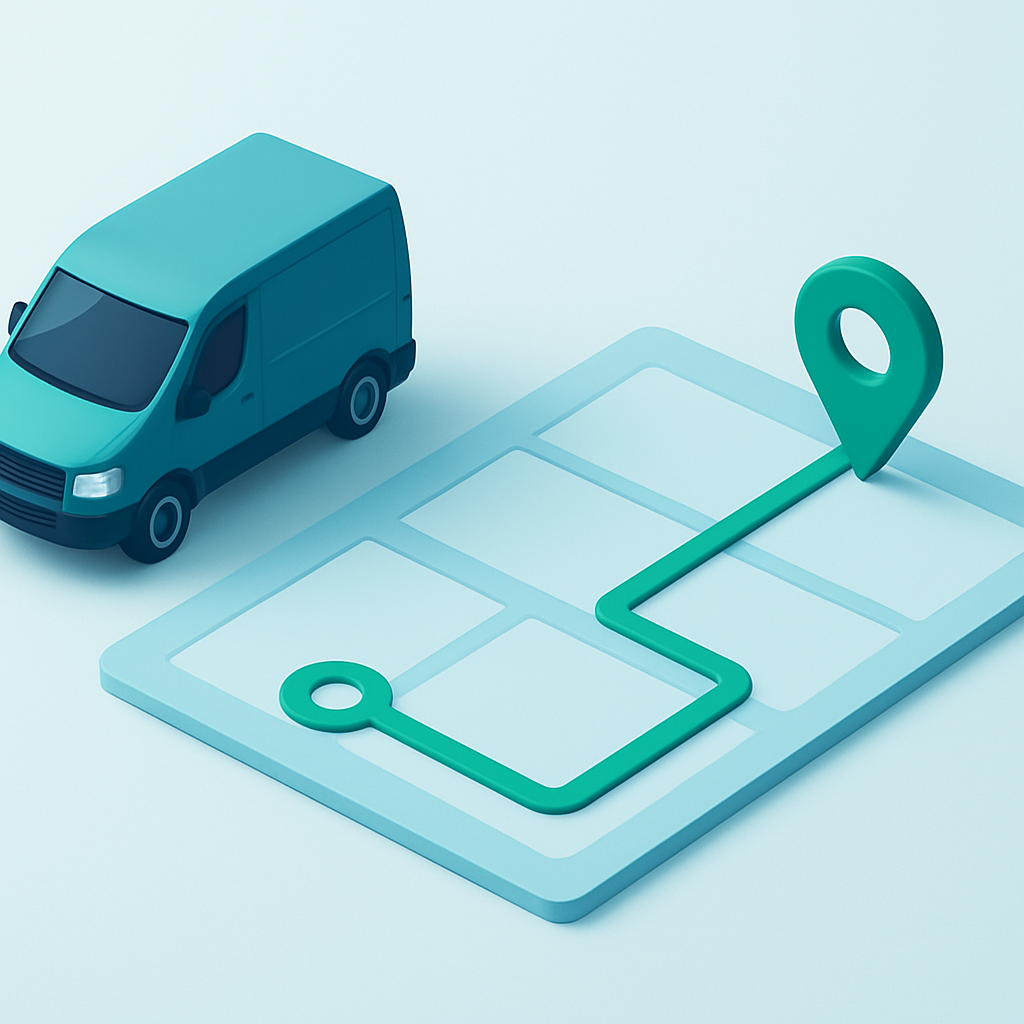
At its core, it answers three fundamental questions for a contractor or operator:
Who should handle this job?
When should they go?
Which route gets them there fastest?
In logistics, this means matching delivery orders to the right driver with the right vehicle at the right time. In field services, it means getting the right technician with the right skills and tools to the right site. The process spans the entire operational lifecycle, starting from the moment an order comes in all the way through to final proof of delivery.
The Dispatch Lifecycle: How It Actually Works
Modern dispatch management is a continuous, dynamic cycle. Every delivery or field job passes through seven distinct stages:
Order Intake and Prioritization: Everything starts with incoming tasks, such as orders from e-commerce platforms or service requests. These are automatically evaluated based on urgency, delivery windows, and specific job constraints.
Route Planning and Optimization: Instead of manually mapping routes, modern systems use algorithms to evaluate thousands of possible route combinations in minutes. This process factors in traffic, delivery windows, and vehicle capacity.
Driver and Resource Assignment: Once routes are ready, jobs are assigned to the most suitable drivers or teams based on their proximity, skillset, workload, and compliance requirements.
Dispatch and Notification: Drivers receive their routes instantly via mobile apps, while customers get estimated times of arrival (ETAs) and tracking links. Dispatchers gain a real-time overview of all active operations.
Real-Time Monitoring: As operations unfold, live location data streams in. If unexpected events occur, such as traffic congestion, delays, or cancellations, the system adapts instantly with re-optimized routes.
Proof of Delivery (POD): At the final step, drivers capture confirmations through signatures, photos, or barcodes. This data syncs instantly for billing, compliance, and dispute resolution.
Analytics and Continuous Improvement: Every completed job feeds into a performance system. Over time, patterns emerge that help operators continuously refine routes, reduce costs, and improve service quality.
Manual vs. Automated Dispatch: The Breaking Point
Most businesses begin with manual dispatch, which usually means a dispatcher relying on a whiteboard, phone calls, and spreadsheets. As delivery volumes grow, the limitations multiply rapidly.
The Tangible Gains of Modern Dispatch
Dispatch management is highly strategic. When repeated at scale, small efficiencies create a massive competitive advantage. According to industry data and documented studies, operators moving to automated dispatch systems consistently see clear gains:
Reduction in Fuel Costs: Route optimization directly eliminates unnecessary mileage and idling time.
Cut in Distance Traveled: Smarter path sequencing ensures vehicles take the most direct path possible.
Increase in Customer Satisfaction: Reliable, tighter delivery windows and proactive tracking build trust.
Fewer Dispatch Calls: Automated customer notifications keep clients updated, dropping the volume of "Where is my order?" calls significantly.
How Beans Transforms Dispatch Operations
Modern businesses need more than just general routing tools. They need intelligent systems that learn, adapt, and account for the physical layout of the real world. Beans offers a modern transport management system that brings dispatch, routing, and delivery visibility into a single platform designed specifically for high-volume fleets and contractors.
AI-Powered Route Optimization
Routes are generated in under 30 seconds using live traffic, historical data, and operational constraints. This completely eliminates manual planning, allowing dispatchers to focus on managing exceptions rather than building spreadsheets.
The Last 100 Feet Advantage
Traditional GPS stop data often ends at the curb, leaving location pins hundreds of feet away from an address's actual drop-off point. Beans navigates drivers further by utilizing over 11 million mapped apartment units. The app guides drivers straight to the correct unit numbers, specific parking lots, entry gates, and elevators. This cutting-edge location intelligence yields a significant increase in stops per hour on apartment-heavy routes.
Real-Time Dispatch Visibility
Every driver, route, and exception is visible on a live dashboard. If a driver falls behind schedule or encounters a delay, dispatchers spot the issue early and can re-optimize routes or adjust assignments with ease.
All-in-One Driver App
The platform includes an intuitive driver app that runs on any smart device, allowing operators to onboard and train new drivers in less than three minutes. Drivers can view turn-by-turn directions, record proof of delivery, log timesheets, and handle scheduling directly inside the app.
Final Thoughts
Dispatch management is the control center of modern operations. As delivery volumes grow and customer expectations rise, businesses relying on manual processes will struggle to keep pace. Investing in an intelligent, automated dispatch system like Beans allows contractors and operators to stop reacting to daily chaos and start running highly predictable, profitable operations. Because in today's tight margins, operational efficiency is your ultimate edge. Ready to see how automated dispatching can transform your daily fleet operations? Book a demo to get started.

Join the conversation
Share your thoughts on this article. Your email will not be published.
Add a Comment